
Tegna/Nexstar: What the Merger Means and What’s Next

Once again, the media landscape is shifting. The high-stakes Nexstar–Tegna merger carries significant implications for local television markets nationwide. Together, the two companies own 88 television stations in 32 overlapping markets. Nexstar’s CEO, Perry Sook, says they plan to consolidate news operations in these markets. If the Federal Communications Commission approves this move, our democracy and local communities will suffer.

The primary beneficiaries of deals like this are rarely local viewers, journalists, advertisers or small businesses who are left with newsroom layoffs, diluted journalism and fewer resources to serve local communities. Instead, shareholders, often far removed from the communities most impacted, reap the rewards.

As a firm that works closely with journalists, producers and newsroom managers across the country, we have witnessed years of the strains news organizations have faced: changing consumer habits, increased advertising competition, artificial intelligence and more. Staff shortages in newsrooms have long forced reporters to juggle multiple beats with little time for in-depth reporting. Investigative journalism, the cornerstone of accountability, is increasingly treated as a luxury. 

Why this merger should concern everyone

Here’s what we expect to unfold in these markets, 17 of which rank among the nation’s top 50: 

Few independent voices

Consolidation often leads to overlapping talent, shared content and fewer distinct perspectives. In Colorado, for example, Nexstar’s Fox31 (KDVR) and Tegna’s 9News (KUSA), long-standing competitors, will likely operate under the same corporate umbrella. Many of the anchors and reporters who viewers have trusted and relied upon for years will likely move on. In their place, stations will hire younger, less-seasoned journalists who are asked to produce more content with fewer resources and less oversight. While eager and capable, they lack the experience and community connections that veteran journalists bring, leaving audiences with a very different and diluted viewing experience. The smaller Nexstar affiliates like KDVR (Channel 20) and KWGN (Channel 2) are likely to face the harshest cuts or will turn off the lights.

Decline in specialized coverage 

Reporters once dedicated to specific beats, such as education, health care or public safety, will be reassigned, reducing depth and nuance in reporting. With eight of the markets in which Tegna and Nexstar overlap being home to their state’s Capitol, this is especially concerning in terms of keeping a watchful eye on state governments. Alarmingly, all eight, which include some of our nation’s most red (Texas and Florida), blue (California) and purple (Ohio) states, have the trifecta, single-party control at the state level.   

More national syndication, less local identity 

Consolidated ownership results in an increased reliance on syndicated, pre-packaged content that can be dropped into multiple markets. While efficient for the parent company to have viewers in Tampa, Houston and Sacramento seeing the same segments, it pushes aside locally produced stories, voices and unique local angles. This blurs distinctions between stations and reduces the authenticity of coverage tailored to community needs.  

Higher advertising costs, less access for small businesses 

With Nexstar’s scale, bundled ad sales and rising rates will squeeze out smaller advertisers. Political ad costs may also surge, especially in battleground states like Ohio, where both companies own stations in neighboring Cleveland and Columbus. 

Erosion of public trust 

Nationalized content, such as Nexstar’s NewsNation, which, to its credit, is rated as “center” in AllSides Media Bias Rating, risks feeling distant and inauthentic. As trust wanes, audiences may retreat into echo chambers, deepening divisions in our country.. 

Fewer seasoned journalists 

An example of this is Tegna’s Fox 61 in Connecticut, where seasoned employees were replaced with young, inexperienced multimedia journalists (MMJ) who produce and edit their content with little oversight, guidance or editing from seasoned producers. The results have yet to be disclosed, but morale within the station has deteriorated greatly according to insiders and institutional knowledge and community connections have diminished. 

Investigative journalism at risk 

Resource-intensive investigative teams are often the first casualties of consolidation, yet these are the watchdogs that we all depend upon for accountability among policy makers, corporate executives, educators, etc. 

What we stand to lose 

For shareholders, the merger makes solid and smart business sense. For communities, it’s deeply troubling. When one company dominates a market, diversity of voices diminishes. Fewer journalists mean fewer stories and less oversight, resulting in a less informed public. Once veteran reporters are laid off and investigative desks are shuttered, institutional knowledge is rarely rebuilt. We don’t just lose stories; we lose the ability to share information. 

Communication basics are more important than ever 

Communications professionals play a critical role in this evolving environment. PR is no longer “image management.” It serves as a bridge between institutions and the public, helping communities remain informed and connected despite shrinking newsrooms. How we shift will make a difference in the communications cycle: 

Maintain strong, empathetic newsroom relationships 

Acknowledge the uncertainty journalists face. Be supportive and responsive. Establish clear communication with newsroom leadership to understand their shifting priorities. 

Adjust pitching strategies 

Anticipate the dilution of the beat reporter; make pitches easy-to-use with clear angles, strong visuals and local relevance. Deliver well-written, accurate content to ease the reporting burden. 

Prepare clients for reduced coverage 

Set realistic expectations about the impact of newsroom capacity and its impacts on both the amount of news that will be published/aired, as well as the time reporters have available.  

Invest in your owned media channels 

As independent reporting about your organization declines, the channels and platforms you control become even more critical for reaching and influencing your audiences. Strengthen these channels by creating more compelling content, building interactive and experiential communications, and optimizing not just for search engines, but also for AI-driven traffic. 

Embrace non-traditional content developers 

Just as many individuals have changed how they get information, your communications strategies should as well. Communications at this moment must go beyond brand positioning. It must help bridge institutions and communities, ensuring that people remain informed, heard and connected even as the media landscape shifts beneath them. We have smart clients who are investing resources into pursuing alternative channels like branded content, paid content creators, podcasts, self-published seasoned reporters, and other non-traditional channels. 

Advocate for local journalism 

Find ways to support and amplify local reporting. Treat journalists as partners, not just conduits. Consider collaborations with independent or emerging reporters who are building direct relationships with audiences. 

Interior of a building with the word News lit on the wall

What the Public Media Cuts Mean for Colorado

Whether or not you agree with public media’s coverage, the recent passage of federal funding cuts by the House and Senate will result in wide-ranging impacts on Colorado and other local markets.  

To put this into perspective, the federal appropriation to the Corporation for Public Broadcasting (CPB), the organization that distributes funds to public media, is roughly one one-hundredth of a percent (0.01%) of the federal budget. It’s not even a drop in the bucket, yet these funds help maintain a reliable and independent public media system. 

That said, we wanted to offer some points on the ramifications of these cuts and their impact on these information sources. 

A public media primer

Public media refers to broadcast and digital media outlets that focus on serving the public interest rather than commercial or political interests. They are typically funded through public donations, listener/viewer contributions, and corporate underwriting. They provide diverse, educational, independent and informative content to all communities. Locally, this includes Rocky Mountain PBS, PBS 12, Colorado Public Radio (CPR), KRCC, and countless others including an immense number of rural radio stations — stations that avoid commercial and political influence in their reporting and programming. These stations are critical in communities where there is a high road-travel population who listens to public radio while commuting. 

Why the cuts will run deep

Loss of local information and coverage
  • Rural areas: Many rural and underserved communities depend on local public media as their sole source of in-depth reporting. With reduced funding, staff reductions, possible consolidations or closures may result, especially in places like Colorado’s Western Slope and Northern Colorado, where coverage is already limited. Local organizations and small businesses may lose a platform for public service announcements, community partnerships and event coverage.  
  • Social engagement: While social media is now a common news source, we need to remember, much of the content still originates from vetted, trusted journalists. Losing that increases reliance on unchecked, biased or false information. 
  • Uninformed decision-making: An uninformed public is more vulnerable to making decisions that impact local policy, public health and economic growth. 
Absence of a local voice and personality 
  • Reduced resources: With fewer reporters and financial resources, stations may become more reliant on syndicated national content, reducing the connection to the local community. 
  • Less local coverage: This trend mirrors what we’ve witnessed with some local media outlets, where reductions in staff have led to an overreliance on national wire services and syndication of stories that do not directly impact or reflect Denver or Colorado. 
  • Personalities in media are all but gone: Gone are the days when local society or gossip columnists informed the community about what was new and what to do. It’s getting more and more difficult to find one media outlet that connects us as one community. Public media helps keep us informed together as a community. 
Economic ripples 
  • Job losses: Reporters, producers, sound engineers and support staff are often the first impacted by funding reductions. We’re already experiencing a shortage of skilled storytellers in the field; this will only increase the impact. 
  • Business contractors: Highly qualified and seasoned freelance journalists, engineers and/or videographers frequently rely on public media for project work. 
Culture and education 
  • Homegrown debate keeps us all balanced and informed.
  • Not everyone has cable or streaming services. Free educational programming, like PBS Kids, is essential for many families. As Colorado’s 2024 Teacher of the Year stated in a PSA GBSM helped produce earlier this year, “Most of my students wouldn’t have been as ready for school as they are if it weren’t for PBS’ content.” 
  • Arts and cultural coverage that private media tends to avoid now due to reduced staffing numbers and consolidated beats. 
  • Local arts, cultural organizations, museums, and schools lose visibility and support which impacts event attendance and public funding. 
Public safety information and alerts 
  • The Corporation for Public Broadcasting funds and maintains the nation’s radio and television emergency alert systems.  
  • Public radio and TV serve as key sources of information during natural disasters or public emergencies to communities with limited access to commercial stations. 
Public media serves as a critical platform by: 
  • Explaining complex local issues in easy-to-understand language 
  • Offers balanced perspectives through point-counterpoint formats 
  • Funds award-winning educational documentaries like Ken Burns’ work on the Civil War and his upcoming similar series on the Revolutionary War 
  • Sharing local stories that reflect the community’s values and challenges 
  • Hosting candidate forums and debates 

Before we jump off our soap box… 

There is no doubt that change is inevitable and necessary within the current media environment. But without reliable and checked sources, we are continuing down the slippery slope of a society that will be more divided and less informed. And one that doesn’t know if the information they access is true. 

Public media serves as one of the last non-commercial, non-partisan platforms for civic dialogue, cultural discussion and preservation, and community connections. This is not political, and the loss of funding isn’t just a tiny budget line item, it’s a loss of local voice, access, and accountability for countless communities in Colorado. 

The Shape of Colorado Politics Post-2023 Session

The Colorado General Assembly recently concluded the 2023 Legislative Session after months of rigorous bill drafting, debate, media attention, late nights…and even political collaboration!

Of the more than 600 bills introduced, more than 300 passed and have moved on to Gov. Polis, who is currently working under a 30-day clock to determine whether to sign or veto them. We have seen the governor exercise his veto power already this session, but in his first term in office, you can count the bills that he vetoed each year on one hand. So don’t expect too many more of these to be turned down with his power of the pen.   

As our team reflects on this year’s session, we offer the following insights on the shape of our state politics.

Local issues are statewide issues. But statewide solutions aren’t always local solutions.

Colorado is a diverse state, but gone are the days where small mountain towns, rural agricultural communities and the cosmopolitan Front Range face entirely different experiences. Housing affordability, houselessness, education funding, water and resource scarcity, climate change and more are shared challenges, regardless of the location.

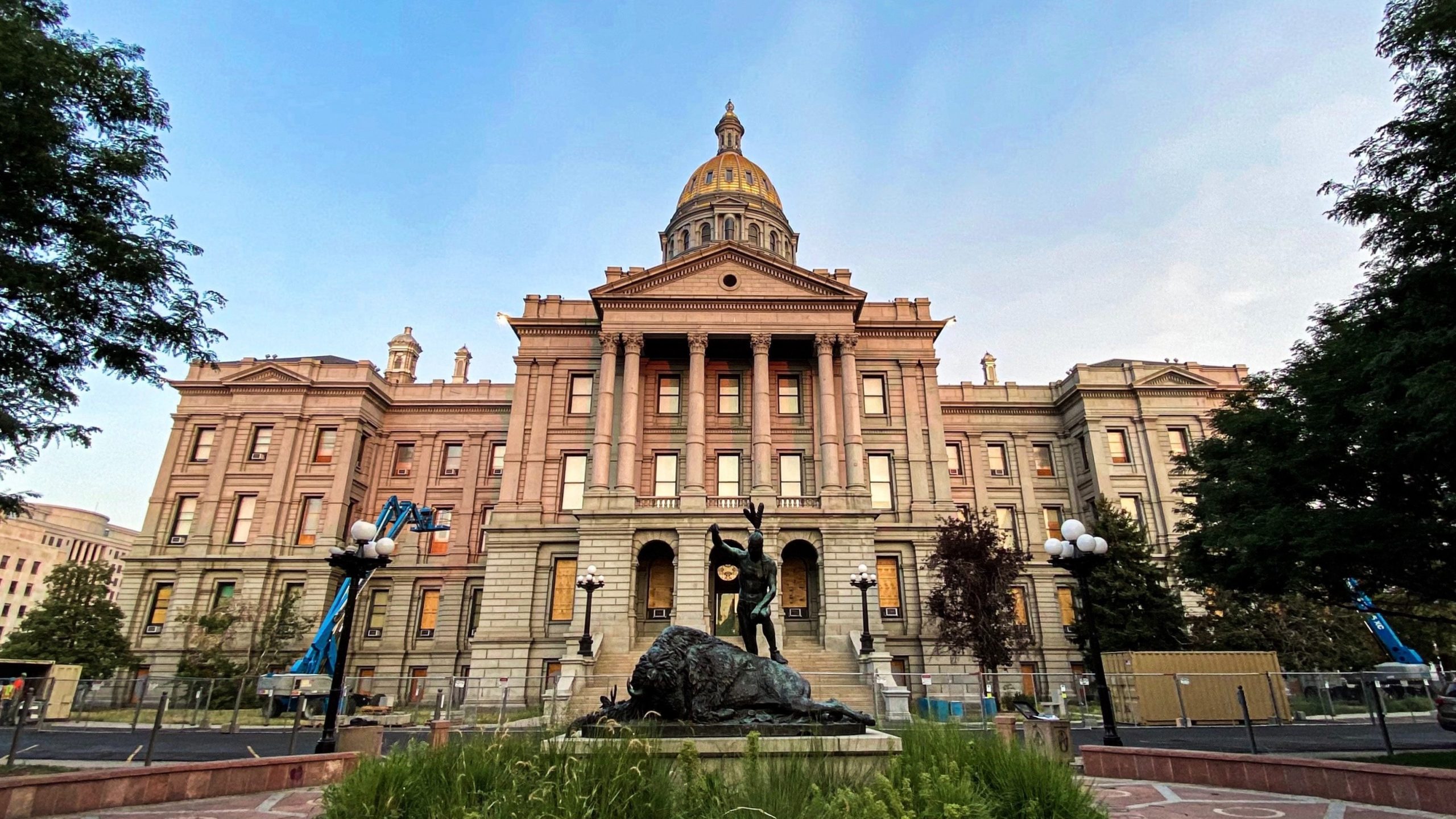
It is clear that the governor and legislature know this. And many under the gold dome see it as their duty to provide statewide answers to these problems.

But local control – a generations-long held value – remains central to Colorado’s viewpoint. Local governments worry about one-size-fits-all tools in place of localized strategies. Nowhere was this more evident than with the ultimate defeat of the omnibus land-use bill (SB23-213) that would have barred cities and towns from banning duplexes, triplexes, certain multiplexes and accessory dwelling units (ADUs) but, in the face of significant resistance from local governments, was left to die on the calendar without a full vote on the last day of session.

Another example saw late-night, impassioned testimony by counties and municipalities against HB23-1255, which will no longer allow a local government to implement housing growth control policies, all in hopes of increasing housing supply statewide to ultimately depress costs. Despite their concerns, the bill passed with only Democrats voting in favor, and it now awaits the governor’s signature. 

This is a tough needle to thread. Our state elected officials cannot be expected to sit back when they are seeing these challenges across county to county. Nor, as voters, would we want them to. There is often much to be gained with the economies of scale available at the state level. But, as diverse as Colorado’s communities are (urban, suburban, rural, mountain and resort communities, just to name a few), nuance cannot be lost when statewide policies are crafted.

At what point does purple become blue?

Are Colorado’s days as a purple state over? When looking at the party divide under the dome, where the Democratic party has the largest advantage in the House in 85 years, controls the Senate 23 – 12 and holds the executive branch, it would be tempting to say yes. But we think there is another angle to this story.

The picture the media paints of both intra- and inter-party politics is often also one of discord and chaos. We know the media, and conflict is always a hot story. Of course, there is some basis for this – on many of the most substantive issues, party-line divisions were generally maintained. However, our experiences working with both parties at the Capitol and around the state provide us with a front-row seat to the bipartisan conversations, jokes, collaboration and congeniality that has always been central to our identity as a state.

Yes, the policy positions of the parties vary greatly, seen clearly with the way that the overwhelming majority of bills sponsored solely by Republicans were killed in committee or died on the House or Senate floors. But the number of bipartisan bills that make it to the governor’s desk is impressive year after year, with this session being no different. This year, lawmakers across the aisle worked together to prioritize mental and behavioral health services for students, enhance workforce pathways and improve veteran supports.

As you consider your engagement with the legislature in advance of the 2024 Legislative Session, we encourage cross-aisle and cross-region meetings. Coming to a potential bill sponsor with a broad coalition and an opportunity for bipartisanship is always enticing. But, more importantly, it is when we bring folks together that we are at our best.

The power of the next generation.

While most are too young to vote for the representatives they engaged, it was inspiring to see the activity of high-school students participating in the legislative process. Following a series of heartbreaking shootings over the course of a few weeks, students from all over the metro area descended on the Capitol to demand action.

But what impressed us wasn’t just their action. It was their thoughtfulness about the issue – their ability to articulate reasonable solutions – and their empathy, both for the victims and the much larger number of survivors whose lives are forever scarred by these tragedies. 

They met with Gov. Polis and legislators and voiced their terror at going to school in an unsafe environment. Despite many being too young to vote, they had the ability to directly influence the legislative process. While they were unsuccessful in getting an assault-weapon ban passed, they were instrumental in helping pass three pieces of gun reform legislation that – while the bills have been immediately challenged in court – have helped Colorado receive national attention for its efforts to address the issue that guns are now the leading cause of death of children in the United States.

The bills were a real testament to what can be accomplished when you put a compelling story and powerful spokespeople in front of lawmakers who are willing to take a risk.